
Brachial Plexus Surgeon in Manhattan
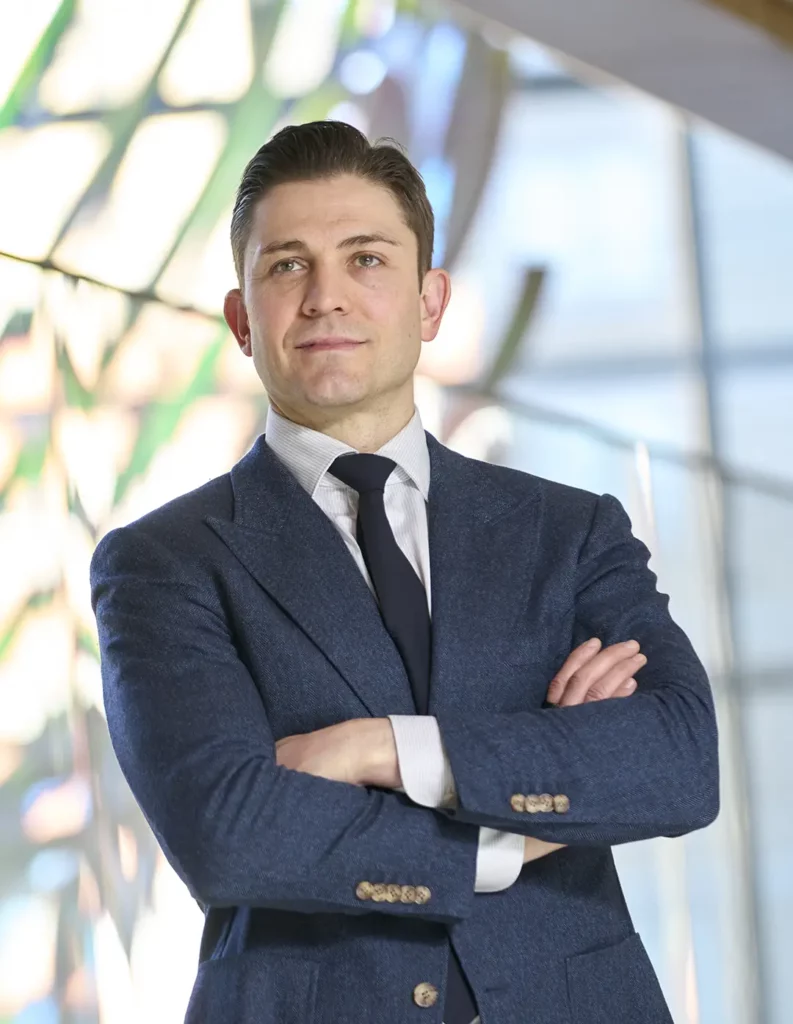
Specialized surgical care for brachial plexus injuries in adults and children, from traumatic nerve injuries to birth-related Erb's palsy. Dr. Jacques Hacquebord is part of the multidisciplinary team at NYU Langone's Center for Brachial Plexus Injuries, restoring movement and sensation to the shoulder, arm, and hand.
What Is Brachial Plexus Surgery?
The brachial plexus is the network of nerves that runs from the spinal cord in the neck to the shoulder, arm, and hand. These nerves control nearly every movement and sensation in the upper limb, so an injury can cause weakness, paralysis, numbness, or chronic pain.
In adults, brachial plexus injuries are most often caused by high-energy trauma, such as motorcycle accidents, falls, and sports injuries, which stretch or tear the nerves. Other causes include birth-related injury in infants, radiation therapy, tumors, and inflammatory conditions such as Parsonage-Turner syndrome.
Brachial plexus surgery repairs or bypasses damaged nerves to restore function. Dr. Hacquebord performs nerve transfers, nerve grafts, and tendon transfers for adults and children, and he provides peripheral nerve surgery for compression and injuries farther down the arm. Brooklyn-based patients can also see Dr. Hacquebord as a brachial plexus surgeon in Bay Ridge, closer to home.
Why Patients Choose Dr. Hacquebord
Brachial Plexus Fellowship Training
Dr. Hacquebord completed traveling fellowships in reconstructive microsurgery and brachial plexus surgery, first in China and then at Ganga Hospital in India. He brings that specialized training to every brachial plexus reconstruction.
Multidisciplinary Team Review
Adult cases are reviewed at a monthly multidisciplinary conference with
radiologists and neurologists, so each treatment plan reflects the full picture of
the injury, its timing, and the patient's goals.
Care for Out-of-Town Patients
Brachial plexus injuries often require travel to a specialist. The Center offers telemedicine consultations and travel and accommodation resources, so patients from outside New York can start with a remote consultation.
Brachial Plexus Surgery Services in Manhattan
Treatment is planned around the type of injury, how long ago it happened, the patient's age, and recovery goals. Timing matters because muscles that go without nerve input for too long gradually lose their ability to recover.
Evaluation and Surgical Timing
Evaluation includes a physical exam along with imaging and nerve studies to determine which nerves are injured and how severely. Because nerve surgery is most effective within the first several months after injury, early evaluation gives patients the widest range of options.
Nerve Transfer Surgery
A nerve transfer reroutes a healthy, less critical nerve to a muscle that lost its nerve supply in the injury. This technique can restore key functions such as shoulder stability and elbow bending, and it is often used when the injured nerve cannot be repaired directly.
Nerve Grafting
When a nerve is torn and the gap is too large to repair directly, a nerve graft bridges it using a segment of nerve taken from elsewhere in the body. The graft serves as a pathway that the injured nerve fibers can regrow along.
Tendon Transfer Surgery
For patients whose injury is too old for nerve surgery, or whose nerve surgery did not restore enough function, tendon transfers reposition working muscles and tendons to take over for paralyzed ones. This option can improve function even years after the original injury.
Erb's Palsy Surgery (Pediatric)
Erb's palsy is a brachial plexus injury that occurs during birth, usually affecting the shoulder and elbow. Many infants recover on their own, but children who do not regain enough function in the first months of life may benefit from surgery. Dr. Hacquebord performs primary nerve reconstruction and later tendon transfers, and the NYU Langone pediatric team includes occupational therapists who specialize in birth-related brachial plexus injuries.
Frequently Asked Questions
How soon after a brachial plexus injury should I see a surgeon?
As soon as possible. Nerve repair and nerve transfers work best within the first several months after injury, before the muscles lose their ability to recover. Patients who are further out from their injury may still benefit from tendon transfers, so an evaluation is worthwhile at any stage.
Will I regain full function after brachial plexus surgery?
Outcomes depend on how severe the injury is, how long ago it happened, the patient’s age, and the procedure performed. Many patients regain meaningful function, such as shoulder stability or the ability to bend the elbow, but a full return to pre-injury function is uncommon after severe injuries. Dr. Hacquebord gives each patient a realistic outlook at the consultation.
Can I have a consultation if I live outside New York?
Yes. The Center for Brachial Plexus Injuries offers telemedicine consultations for patients who live outside the area, along with travel and accommodation resources for in-person visits.
When is surgery recommended for a baby with Erb's palsy?
Many infants with Erb’s palsy recover without surgery. When a baby does not regain enough shoulder and elbow function in the first few months of life, the pediatric brachial plexus team evaluates whether nerve reconstruction is needed, with occupational therapy supporting recovery before and after any procedure.
What is the difference between a hand surgeon and a brachial plexus surgeon?
Many hand surgeons treat straightforward nerve problems in the hand and forearm. Brachial plexus reconstruction requires additional microsurgical training in nerve transfers, nerve grafts, and complex nerve injuries near the neck and shoulder. Dr. Hacquebord completed traveling fellowships specifically in brachial plexus surgery.
Schedule Your Brachial Plexus Consultation
Speak with Dr. Hacquebord and the NYU Langone team about your brachial plexus injury and treatment options. Adult patients can call 212-263-7582, and families of pediatric patients can call 212-598-6205.