NYU Langone · Manhattan

Partial Hand Prosthetic Surgery in Manhattan

Surgical preparation and reconstruction for a comfortable, functional partial hand prosthesis. Dr. Jacques Hacquebord at NYU Langone's Center for Amputation Reconstruction shapes and optimizes the residual limb after a partial hand amputation, then works alongside the certified prosthetists who fit your prosthetic device — so the hand you leave surgery with is built for the prosthesis you'll actually use.
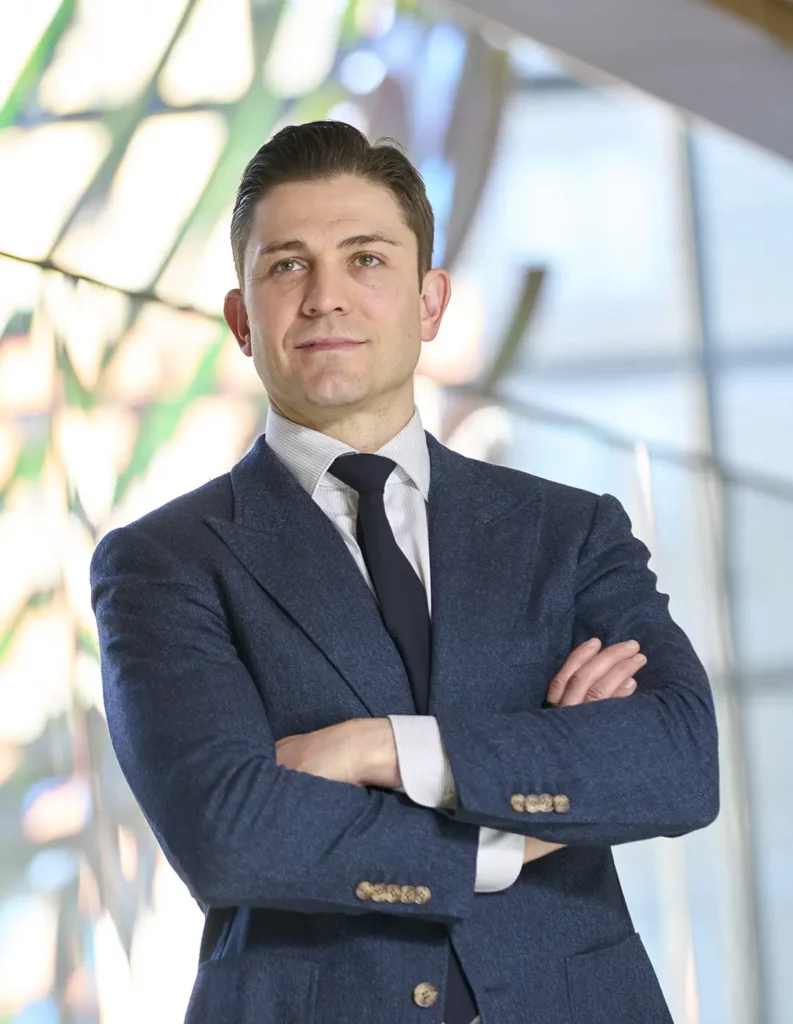
Dr. Jacques Hacquebord, hand and microsurgeon at NYU Langone's Center for Amputation Reconstruction in Manhattan

What Is a Partial Hand Prosthesis?

A partial hand prosthesis replaces one or more fingers, the thumb, or part of the palm after a partial hand amputation — restoring grasp, pinch, length, and natural appearance. Because every residual limb is different, partial hand prosthetics are among the most challenging devices to fit, and the right choice depends heavily on how the hand was surgically prepared. Modern prosthetic options range from passive, cosmetic silicone restorations to body-powered and myoelectric devices that move with the residual limb.
Dr. Jacques Hacquebord approaches the hand and the prosthesis as one connected problem. Rather than treating amputation as the end of the road, he surgically optimizes the residual limb — its length, soft-tissue coverage, and nerve health — so it can comfortably hold and control a prosthetic device. He works within a multidisciplinary team of certified prosthetists and occupational therapists, an extension of the practice's amputation reconstruction program.
Patients come to NYU Langone after a recent partial hand amputation, while facing one, or living with a congenital hand difference or an older amputation that left them in pain or with a prosthesis that no longer fits. Care is planned around your amputation level, the condition of the residual limb, and how you want to use your hand in daily living — from work to a specific hobby.

Why Patients Choose Dr. Hacquebord

Surgery Built for the Prosthesis

Dr. Hacquebord is a board-certified orthopedic surgeon and microsurgeon who treats the amputation and the prosthesis as one plan. He surgically shapes and protects the residual limb — its length, soft tissue, and nerves — so a partial hand prosthesis fits well and the patient can control it.

Adult & Pediatric Care

From children with congenital hand differences to adults with traumatic or work-related partial hand amputations, he provides age-specific surgical planning and long-term follow-up — restoring grasp and function at every stage.

Research-Driven Innovation

As assistant research director for NYU Langone's Division of Hand Surgery, Dr. Hacquebord works at the leading edge of limb reconstruction. The Center for Amputation Reconstruction pairs his surgery with advanced prosthetic technologies, from myoelectric devices to osseointegration.

Partial Hand Prosthetic Services in Manhattan

Dr. Hacquebord offers a full range of surgical procedures that prepare and restore the partial hand for prosthetic use. Treatment is planned around your amputation level, the condition of the residual limb, and your functional goals.

Residual Limb Optimization & Revision

The shape and health of the residual limb decide how well a prosthesis fits. Dr. Hacquebord revises poorly healed or painful partial hand amputations — correcting bony overgrowth, scarring, and soft-tissue deficiency — and for complex cases provides full upper-limb reconstruction as a hand amputation surgeon in Manhattan.

Nerve Surgery for Prosthetic Control

Nerve transfers can reduce phantom and neuroma pain while giving myoelectric prostheses clearer control signals. By rerouting amputated nerves to nearby muscle — a technique known as targeted muscle reinnervation (TMR) — the residual limb produces stronger electrode signals that translate intent into prosthetic movement.

Neuroma Excision & Pain Management

A neuroma — a painful tangle of nerve tissue — can make a prosthesis impossible to wear. The Center for Amputation Reconstruction treats neuroma pain, phantom sensation, and discomfort from ill-fitting prostheses, so patients can use the hand comfortably in daily living.

Replantation & Limb Salvage

Before turning to a prosthesis, the first question is whether the hand or finger can be saved. Dr. Hacquebord is trained in microsurgical replantation and works with NYU Langone's trauma team to evaluate limb salvage after a partial hand amputation.

Prosthetic Planning & Coordination

Surgery is planned in step with the prosthesis. Working with on-site certified prosthetists, Dr. Hacquebord coordinates each procedure with the chosen device — whether a passive, cosmetic silicone restoration, a body-powered prosthesis, or an activity-specific myoelectric prosthesis — an approach rooted in bridging the gap between hand surgery and partial hand prostheses so fit and function are built in from day one.

Frequently Asked Questions

Schedule Your Partial Hand Prosthetic Consultation

Speak with Dr. Hacquebord and the NYU Langone team about your partial hand amputation, reconstruction options, and the path to a prosthesis that fits your daily life.
Schedule a Consultation