A brachial plexus injury can take away the ability to lift the arm, bend the elbow, or feel the hand in a single moment. For adults, these injuries usually follow high-energy trauma, and the path back depends heavily on what kind of surgery is done and when.
Brachial plexus surgery covers several different procedures. Some reconnect or bypass damaged nerves, and others reposition working muscles to take over for paralyzed ones. Knowing how each one works makes it easier to understand the options and the timeline.
Dr. Jacques Hacquebord specializes in brachial plexus surgery for adults and children. As a brachial plexus surgeon at NYU Langone, he performs nerve transfers, nerve grafts, and tendon transfers to restore movement and sensation to the shoulder, arm, and hand. Don’t hesitate to contact our office to schedule an evaluation.
Article Outline
- What is the brachial plexus?
- What causes brachial plexus injuries in adults?
- When is brachial plexus surgery needed?
- Why does timing matter?
- What is a nerve transfer?
- What is a nerve graft?
- When are tendon transfers used?
- What does recovery look like?
- What results can you expect?
- How do you choose a brachial plexus surgeon?
What is the brachial plexus?
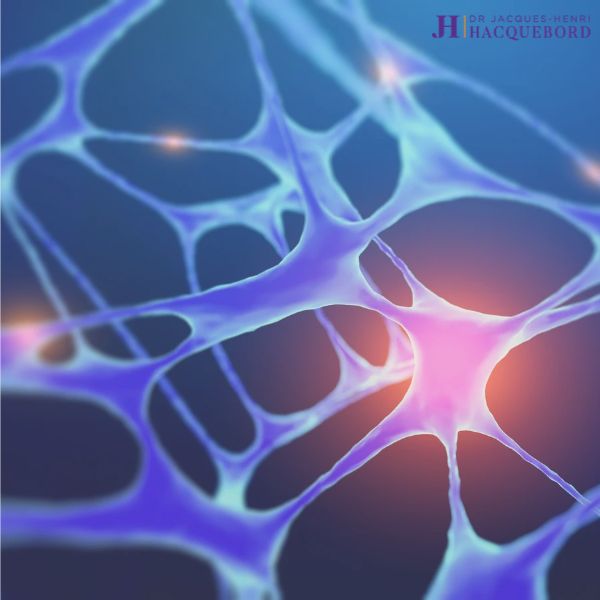
The brachial plexus is a network of nerves that starts at the spinal cord in the neck and travels through the shoulder into the arm and hand. These nerves control nearly every movement and sensation in the upper limb, from raising the shoulder to bending the elbow and gripping with the fingers.
Because the network is so interconnected, an injury can affect a single function or the entire arm. Weakness, paralysis, numbness, and chronic pain are all possible, depending on which nerves are injured and how badly. Nerve problems farther down the arm, such as compression at the elbow or wrist, are treated with peripheral nerve surgery.
What causes brachial plexus injuries in adults?
In adults, most brachial plexus injuries come from high-energy trauma. Motorcycle accidents, falls, and sports injuries can force the head and shoulder apart, stretching or tearing the nerves.
Other causes include radiation therapy, tumors, and inflammatory conditions such as Parsonage-Turner syndrome. Compression of these nerves near the collarbone, known as thoracic outlet syndrome, is a separate problem with its own evaluation and treatment. Birth-related injuries in infants, known as Erb’s palsy, follow a different treatment timeline.
When is brachial plexus surgery needed?
Not every injury needs surgery. Milder stretch injuries can recover as the nerves heal on their own, and progress is tracked with regular examinations.
Surgery is considered when a nerve is torn, when function is not returning as expected, or when testing shows an injury that will not recover without repair. Evaluation includes a physical exam along with imaging and nerve studies to determine which nerves are injured and how severely.
Why does timing matter?
Timing is one of the most important factors in brachial plexus surgery. When a muscle goes without nerve input for too long, it gradually loses its ability to respond, even if the nerve is later repaired.
Nerve repair and nerve transfers work best within the first several months after injury. Peripheral nerves also regrow slowly, at roughly one millimeter per day, so the distance from the repair to the muscle affects how long recovery takes. Early evaluation keeps the widest range of options available.
What is a nerve transfer?
A nerve transfer reroutes a healthy, less critical nerve to a muscle that lost its nerve supply in the injury. Because the donor nerve is connected close to the target muscle, the new signal has a shorter distance to travel.
Nerve transfers can restore key functions such as shoulder stability and elbow bending. They are often used when the injured nerve cannot be repaired directly, such as when the nerve has been pulled away from the spinal cord.
What is a nerve graft?
When a nerve is torn, and the gap between the ends is too large to repair directly, a nerve graft can bridge it. The graft uses a segment of nerve taken from elsewhere in the body, usually a sensory nerve whose loss causes little effect.
The graft acts as a pathway that regenerating nerve fibers can follow across the gap. Grafts and transfers can be combined in the same operation to restore as much function as possible.
When are tendon transfers used?
Tendon transfers help patients whose injury is too old for nerve surgery or whose nerve surgery did not restore enough function. In this procedure, a working muscle and its tendon are repositioned to take over the job of a paralyzed muscle.
Because tendon transfers do not depend on nerve regrowth, they can improve function even years after the original injury. They can also build on the results of earlier nerve surgery.
What does recovery look like?
Recovery after brachial plexus surgery is measured in months, not weeks. After a nerve transfer or graft, the nerve must regrow before the muscle begins to work, so the first signs of movement can take months to appear.
Therapy is a central part of recovery. Occupational and physical therapy keep the joints flexible while the nerves regrow, then retrain the muscles once signals return. After a nerve transfer, patients also learn new ways to activate the muscle, since the signal now comes from a different nerve.
What results can you expect?
Results vary with the severity of the injury, the time since it happened, the patient’s age, and the type of surgery. Many patients regain important functions, such as a stable shoulder or the ability to bend the elbow, while a complete return to pre-injury strength is uncommon after severe injuries.
A realistic outlook, discussed at the consultation, helps patients set goals and plan for a recovery that unfolds over many months.
How do you choose a brachial plexus surgeon?
Brachial plexus reconstruction requires microsurgical training beyond routine hand surgery, including experience with nerve transfers, nerve grafts, and complex nerve injuries near the neck and shoulder. It also benefits from a team approach.
At NYU Langone, adult cases are reviewed by the multidisciplinary team at the Center for Brachial Plexus Injuries, which meets monthly with radiologists and neurologists. Dr. Hacquebord also completed a traveling fellowship from the American Society for Surgery of the Hand that took him through China and India. Patients who live outside New York can start with a telemedicine consultation.
Key Takeaways
- Brachial plexus surgery includes nerve transfers, nerve grafts, and tendon transfers
- Most adult injuries follow high-energy trauma such as motorcycle accidents, falls, and sports injuries
- Nerve surgery works best within the first several months after injury
- Nerves regrow at roughly one millimeter per day, so recovery takes months
- Tendon transfers can improve function even years after an injury
- Therapy supports recovery before and after nerve signals return
- Many patients regain meaningful shoulder and elbow function